Tutankhamun and the Tomb That Changed Tutankhamun and the Tomb That Changed Archaeology
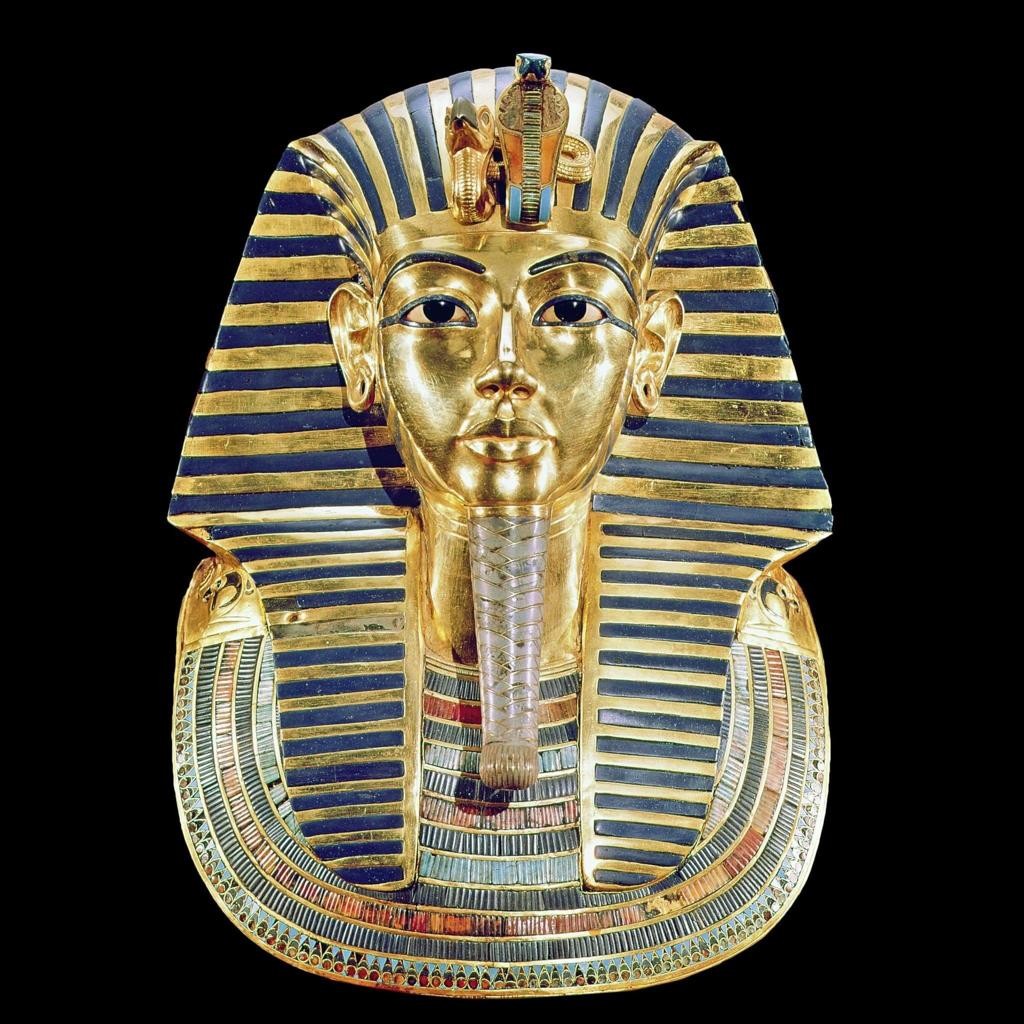
Tutankhamun became pharaoh as a child during the 14th century BCE. His reign occurred after the religious upheaval associated with Akhenaten, who had promoted the worship of the Aten in an unusual departure from established Egyptian religious traditions.
During Tutankhamun’s reign, traditional religious practices and institutions were restored.
Tutankhamun died while still young. His death, burial, and family relationships have attracted enormous interest, although many details remain uncertain.
For centuries, his tomb remained hidden in the Valley of the Kings near modern Luxor.
In 1922, British archaeologist Howard Carter, working with financial support from Lord Carnarvon, discovered the tomb’s entrance. The excavation revealed chambers filled with objects, furniture, chariots, statues, jewelry, and other funerary treasures.
The discovery transformed public interest in ancient Egypt.
Tutankhamun’s tomb was not completely untouched by ancient robbers, but it preserved an extraordinary collection of royal burial objects. Because so much of the burial assemblage survived, archaeologists gained valuable evidence about royal craftsmanship, religious beliefs, material culture, and funerary practices.
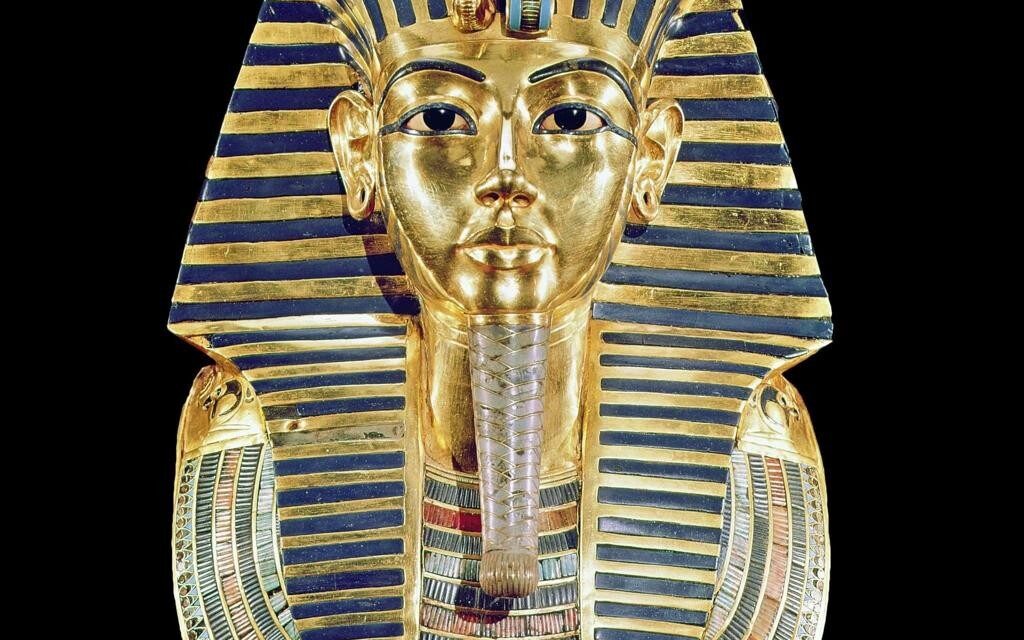
The famous golden mask became an international symbol of ancient Egyptian civilization.
Yet Tutankhamun was not Egypt’s most powerful or influential pharaoh. His modern fame owes much to the exceptional survival and discovery of his tomb.