
Comparing the Three Ancient Civilizations
| Feature | Ancient Egypt | Ancient Rome | Ancient Greece |
| Political development | Kingdoms unified under pharaohs | Republic followed by empire | Independent city-states and later kingdoms |
| Major period of prominence | Old, Middle, and New Kingdoms | Republic and imperial periods | Archaic, Classical, and Hellenistic periods |
| Famous leaders | Hatshepsut, Ramses II, Cleopatra VII | Julius Caesar, Augustus, Trajan | Pericles, Leonidas, Alexander the Great |
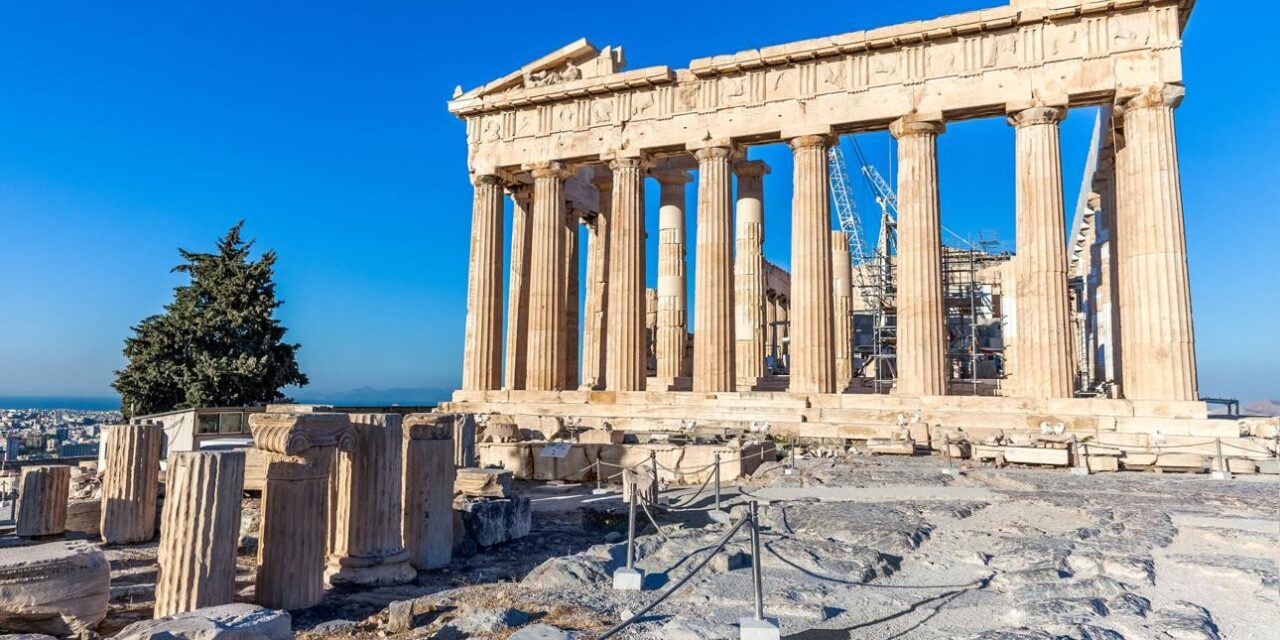
| Famous monuments | Pyramids of Giza, temples of Karnak and Abu Simbel | Colosseum, Pantheon, aqueducts | Parthenon, temples, theaters |
| Major contributions | Monumental architecture, writing, religious traditions, administration | Law, engineering, roads, urban infrastructure | Philosophy, mathematics, drama, political thought |
| Religious traditions | Many gods, funerary beliefs, royal religious traditions | Traditional Roman gods; later Christianity | Many gods, myths, civic festivals |
| Conventional turning point | Roman annexation in 30 BCE | Western empire’s fall in 476 CE | Roman conquest of mainland Greece in 146 BCE |


