Final conclusion: Three civilizations that changed the world
Ancient Egypt, Rome, and Greece developed in different environments and followed different historical paths.
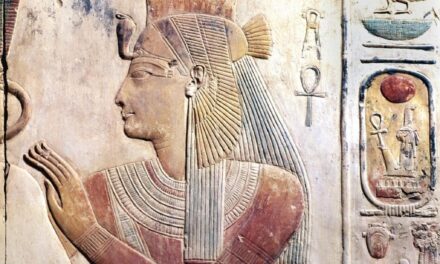
Egypt demonstrated the power of centralized government, agricultural organization, religious traditions, and monumental construction.
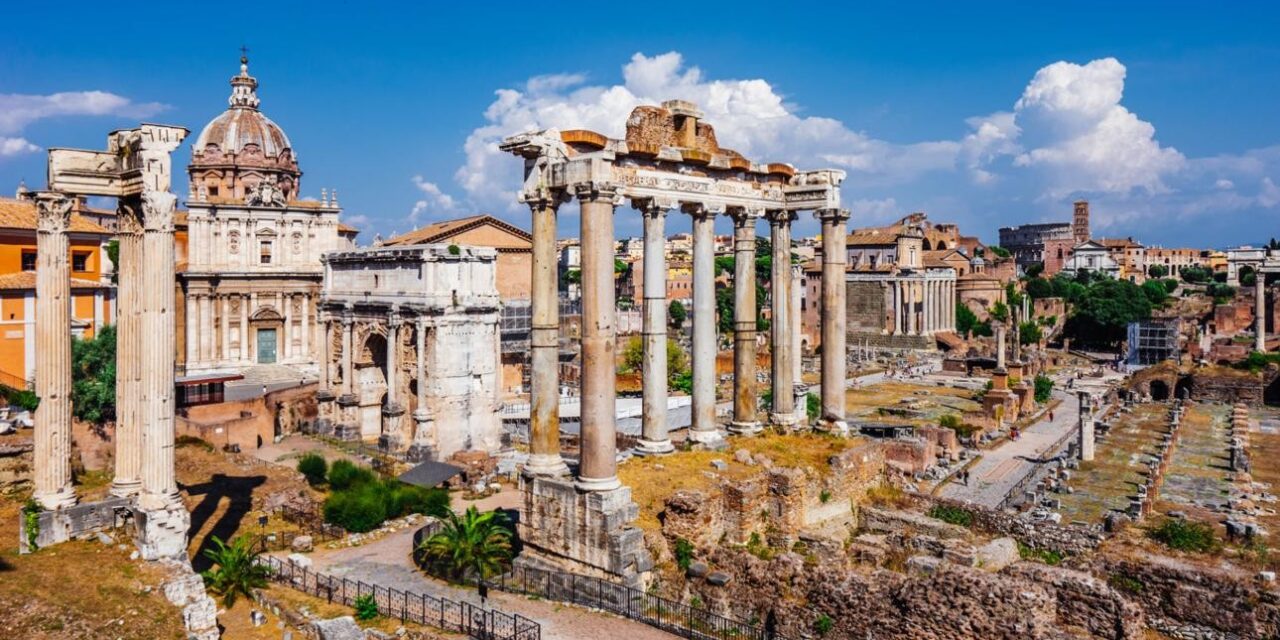
Rome showed how military organization, infrastructure, law, and political adaptation could sustain a vast empire.
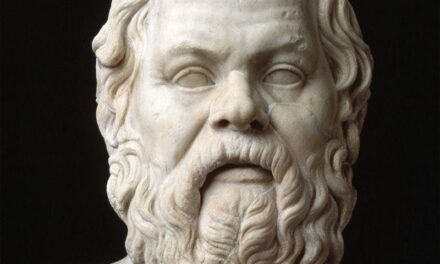
Greece produced influential traditions of philosophy, drama, mathematics, political experimentation, and scientific inquiry.
These civilizations also interacted with one another. Greek ideas influenced Roman education and art.
Egypt traded with and influenced its neighbors long before the rise of Rome and Greece.
Following Alexander’s conquests, Greek and Egyptian traditions blended in Hellenistic cities, while Rome later incorporated both Greek and Egyptian territories into its empire.
Their stories remind us that history is not simply a list of kings, wars, and dates.
It is the story of people building societies, pursuing knowledge, fighting for power, creating art, confronting crises, and imagining what their world could become.
From Egypt’s pyramids, to Rome’s roads, to Greece’s philosophical debates, the ancient world continues to shape the modern one.